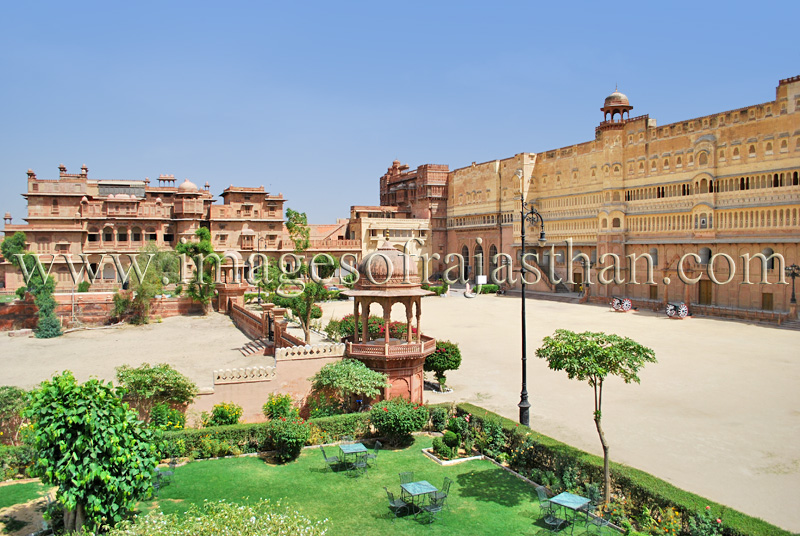
The Junagarh Fort was built by Raja Rai Singh in the
year 1593. The construction of the fort took place over a period of
nearly four centuries and was completed by various rulers of the
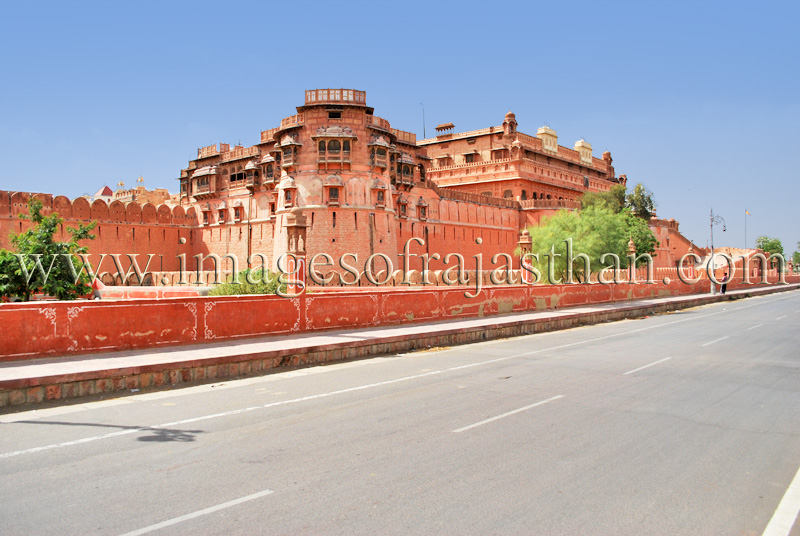
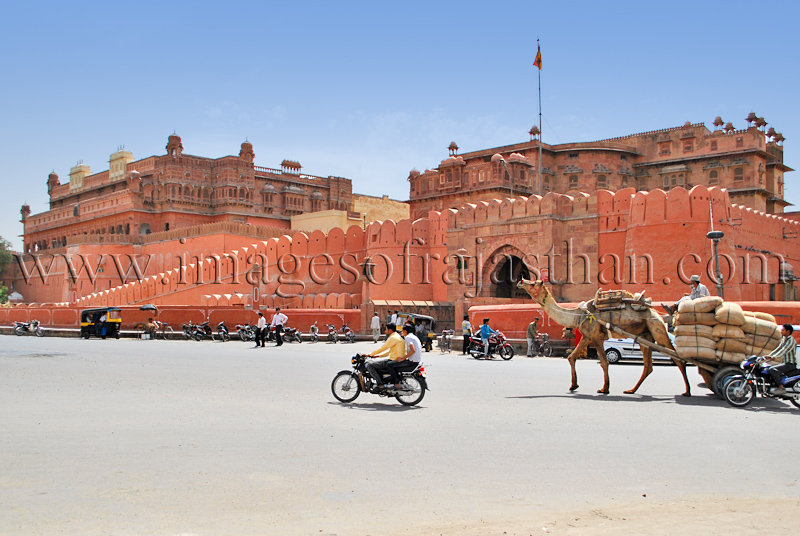
Bikaner dynasty. The fort was constructed using red sandstone and
marble and is surrounded by a moat that is over 30 feet wide.
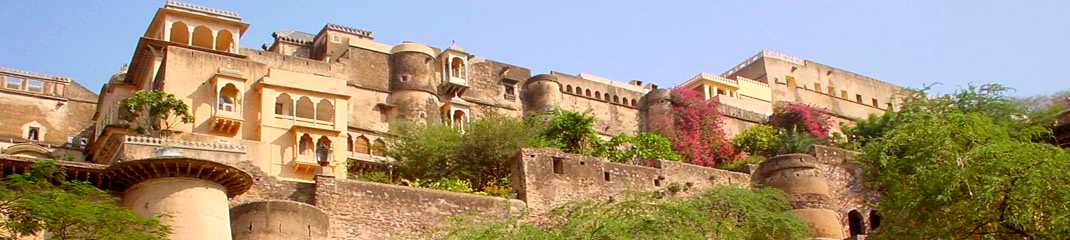
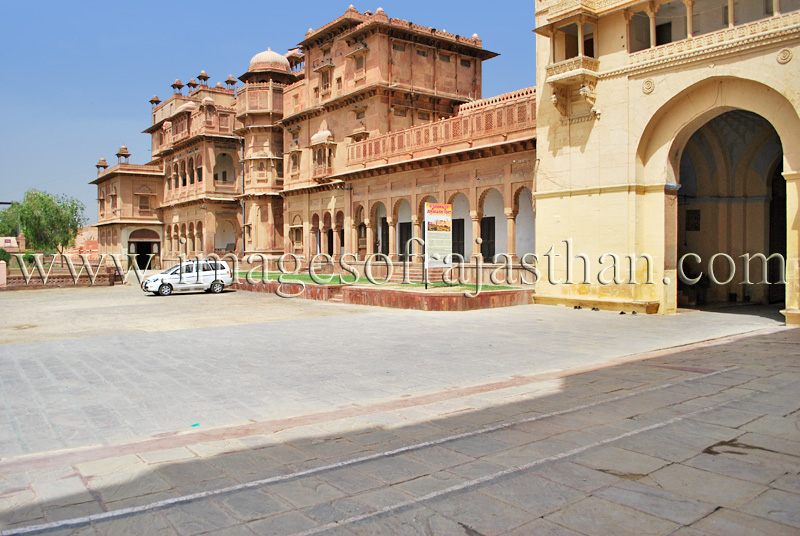
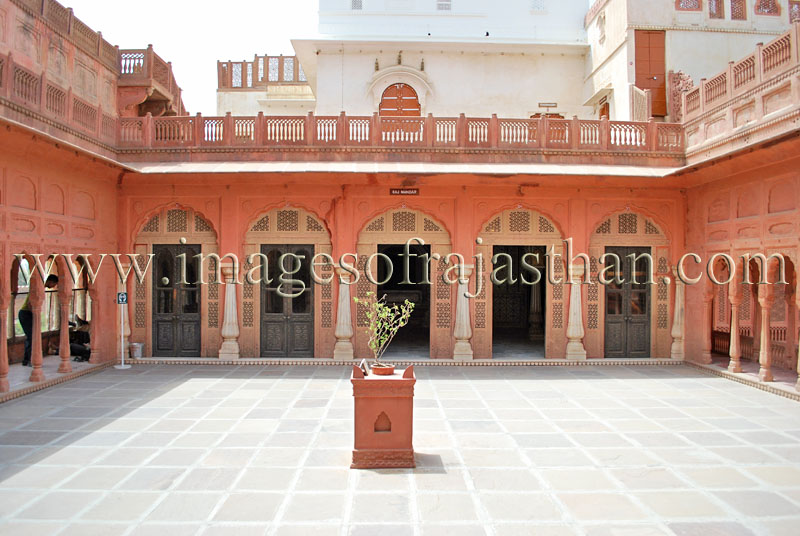
The fort is a magnificent blend of Rajput and Mughal architectural
styles. It has several palaces, temples, and pavilions within its
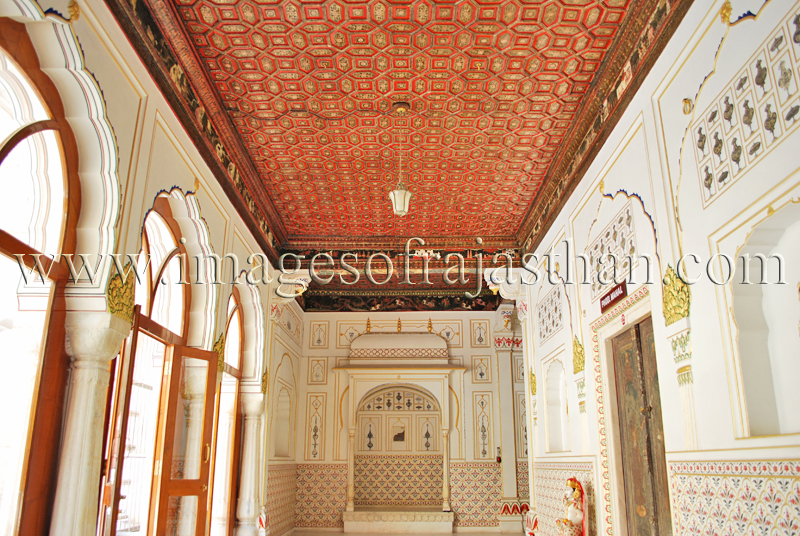
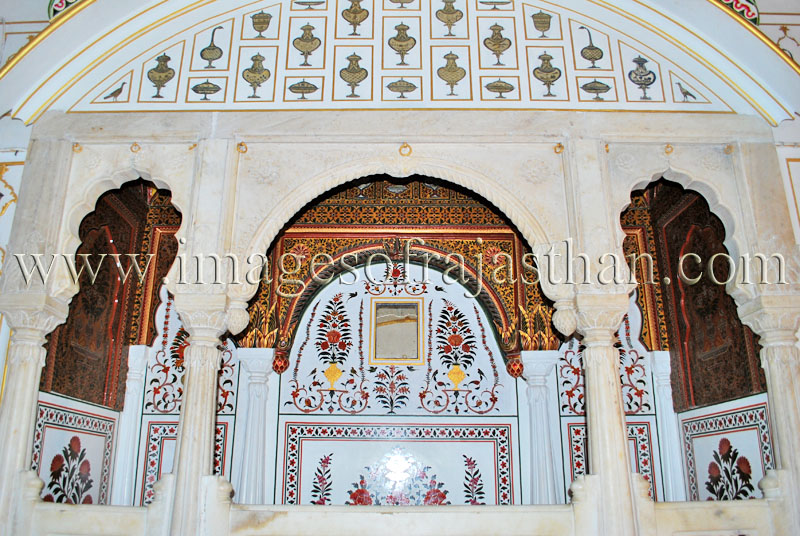
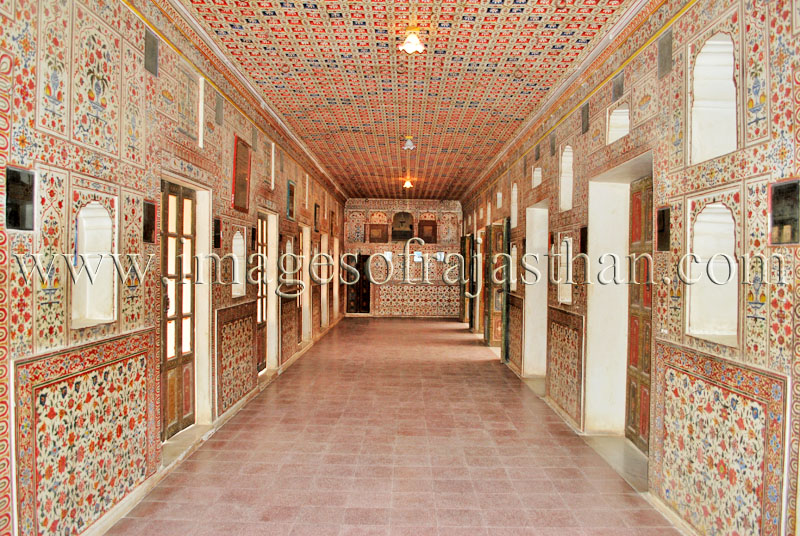
walls, each with its unique design and character. The fort's interiors
are adorned with beautiful murals, intricate carvings, and stunning
artwork that reflect the grandeur of the Rajput era.
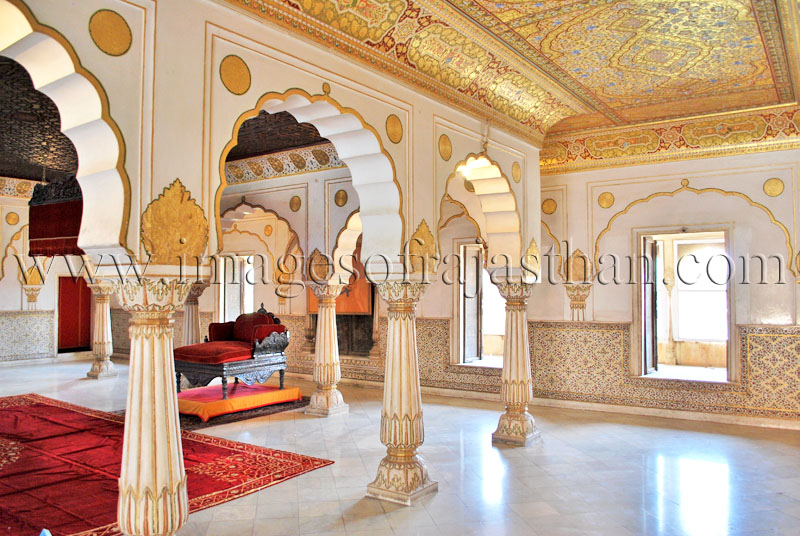
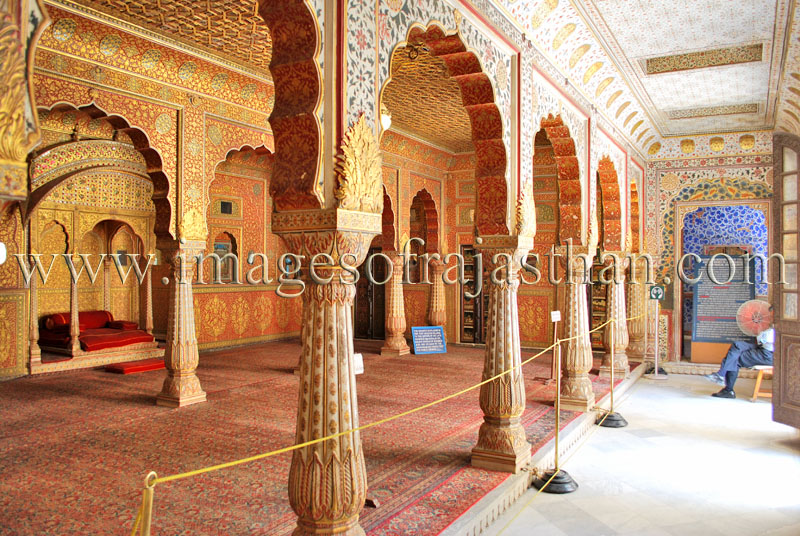
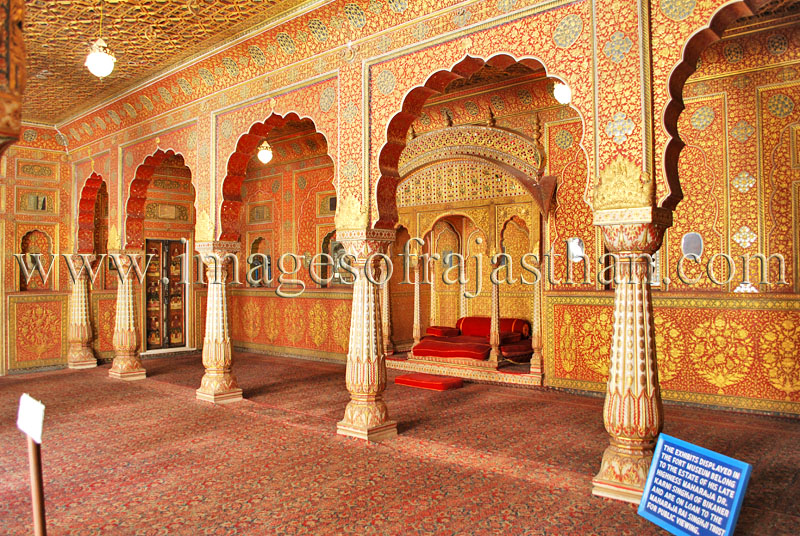
One of the most prominent structures within the Junagarh Fort is the
Anup Mahal. It is a beautiful palace that was used for royal audiences
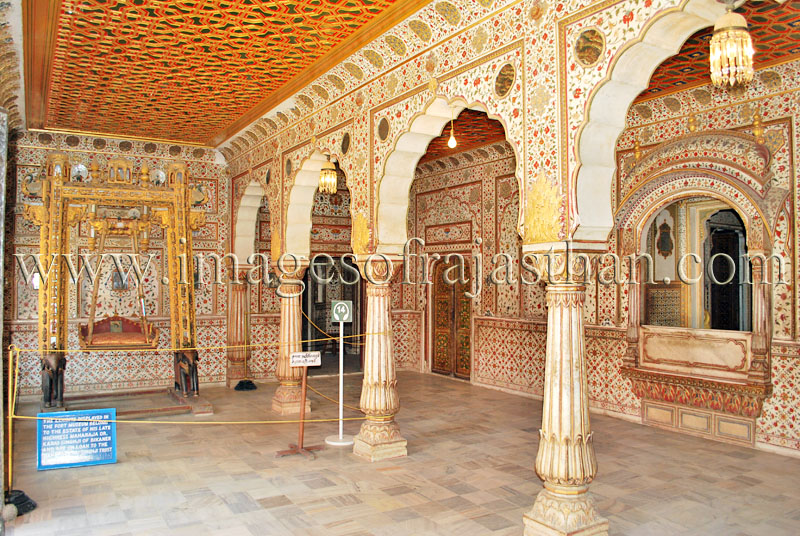
and is decorated with mirrors and gold leaf. The Phool Mahal, also
known as the Flower Palace, is another remarkable structure that is
adorned with beautiful frescoes and intricate carvings.
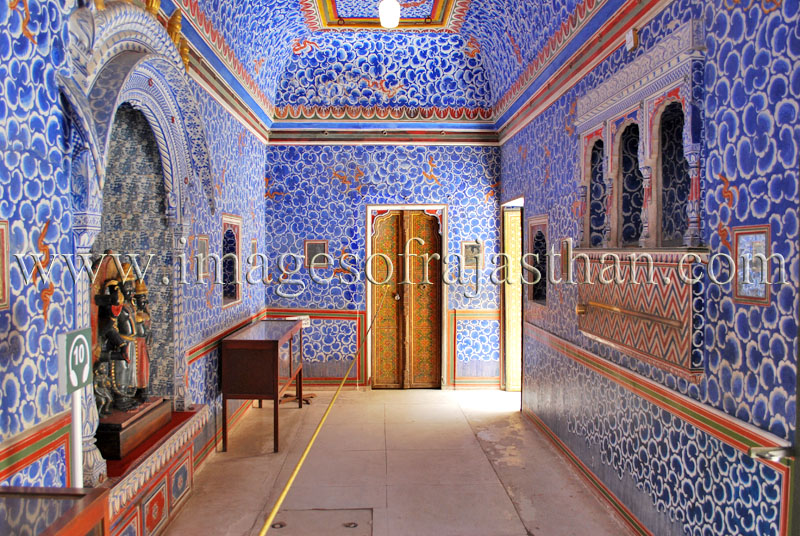
Another highlight of the Junagarh Fort is the Har Mandir, a temple
dedicated to Lord Vishnu. The temple is adorned with beautiful
paintings and carvings that depict various scenes from Hindu
mythology.
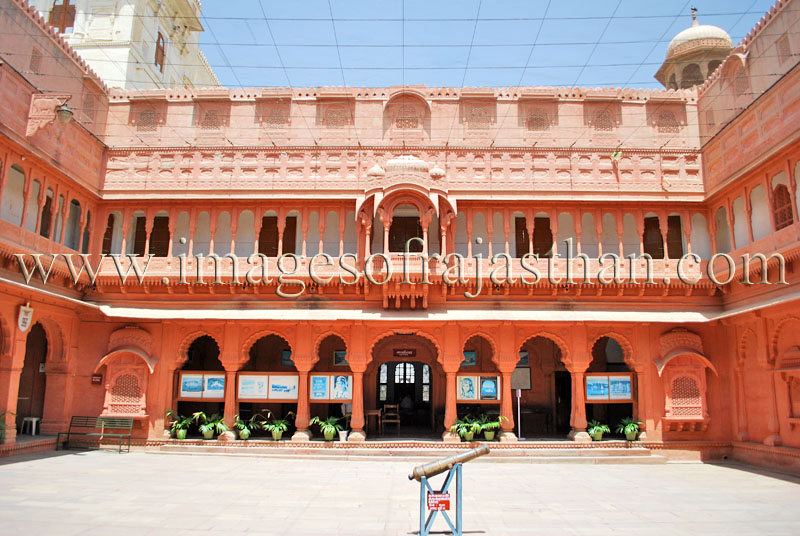
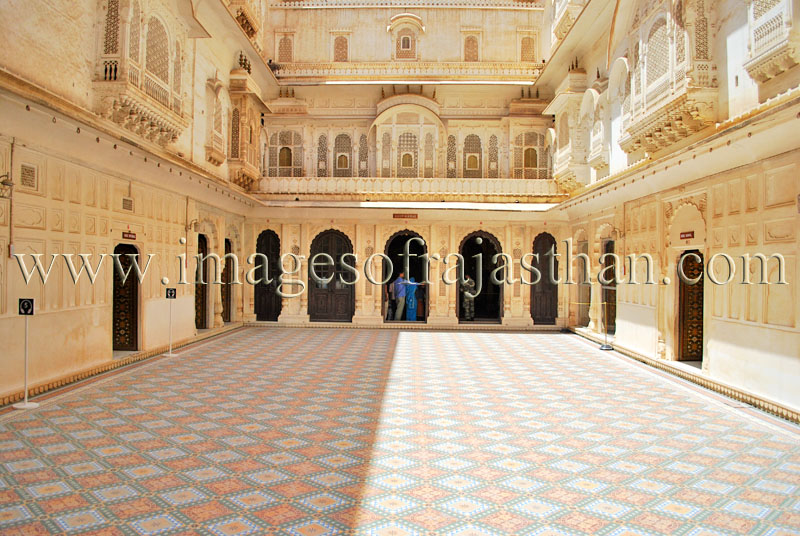
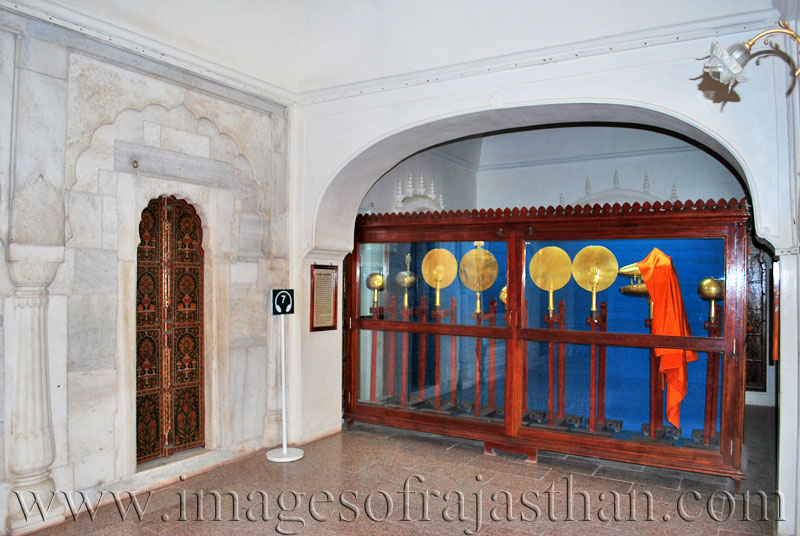
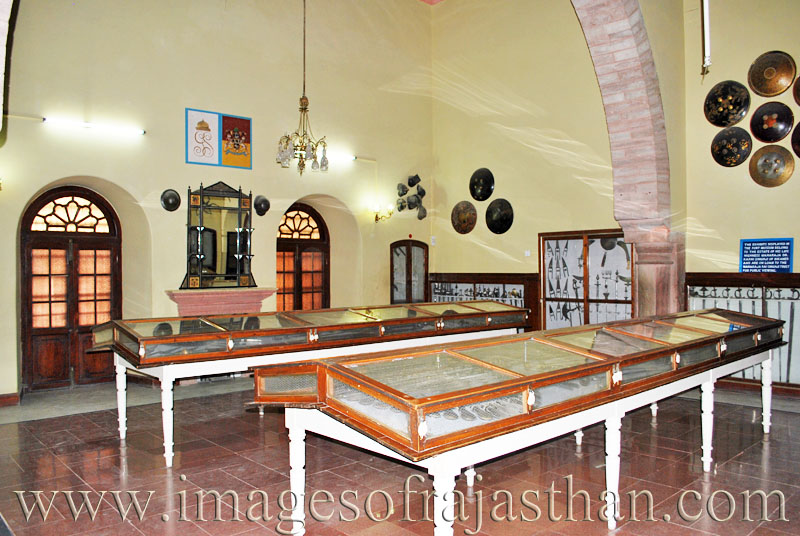
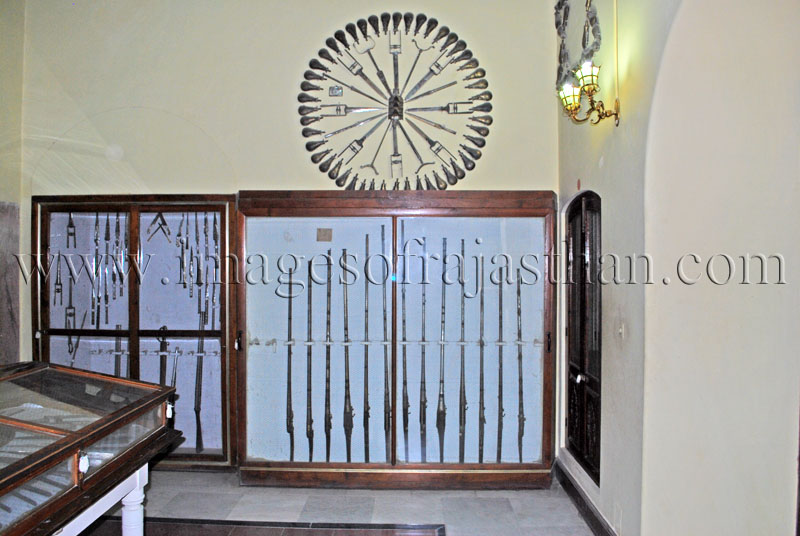
Images of the Junagarh Fort in Bikaner, Rajasthan, are a great way to
experience the grandeur and beauty of this magnificent fort. The
images capture the intricate carvings, stunning architecture, and
exquisite artwork of the fort, giving viewers a glimpse into the rich
history and culture of Rajasthan.
At Images of Rajasthan, we offer a wide range of high-quality images
of the Junagarh Fort and other popular tourist destinations in
Rajasthan. Our images are carefully curated to showcase the best of
Rajasthan's architecture, culture, and history. |