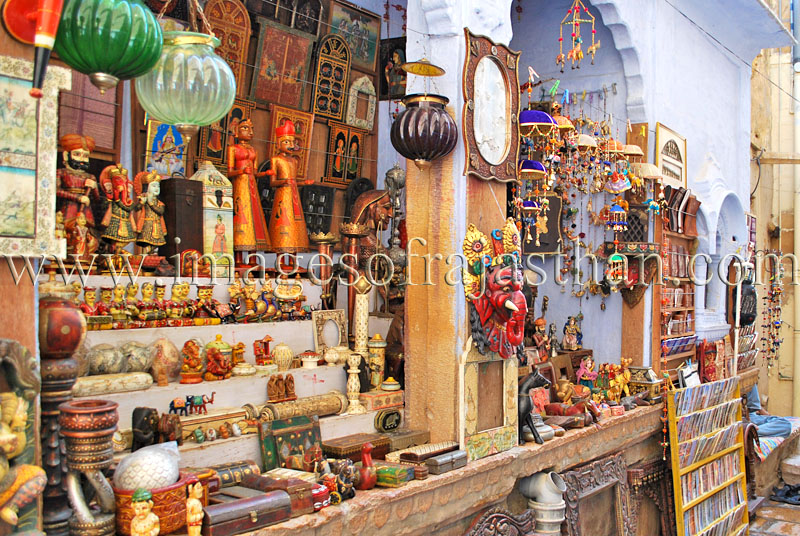
Images of Rajasthan, your one-stop destination for
beautiful photographs and images of Rajasthan's mesmerizing
landscapes, vibrant culture, and rich history. We are proud to offer a
stunning collection of images of Jaisalmer Fort, one of Rajasthan's
most iconic landmarks.
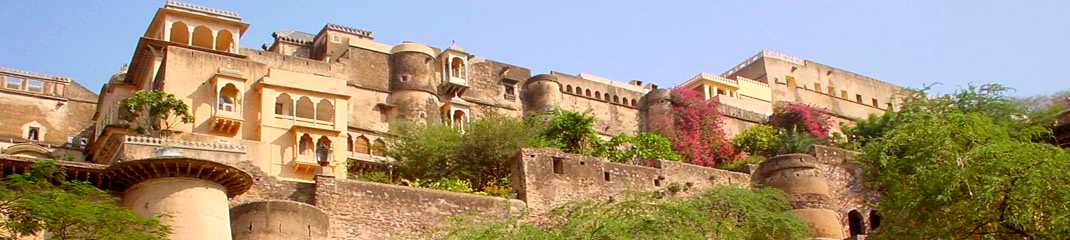
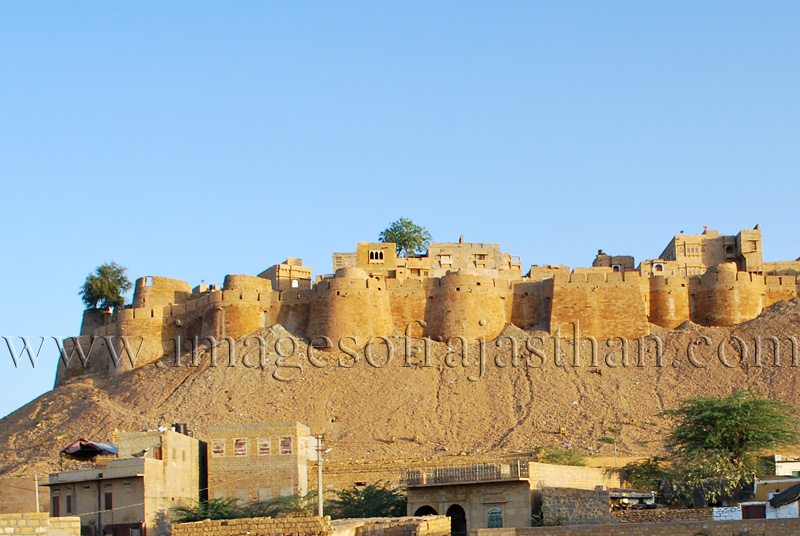
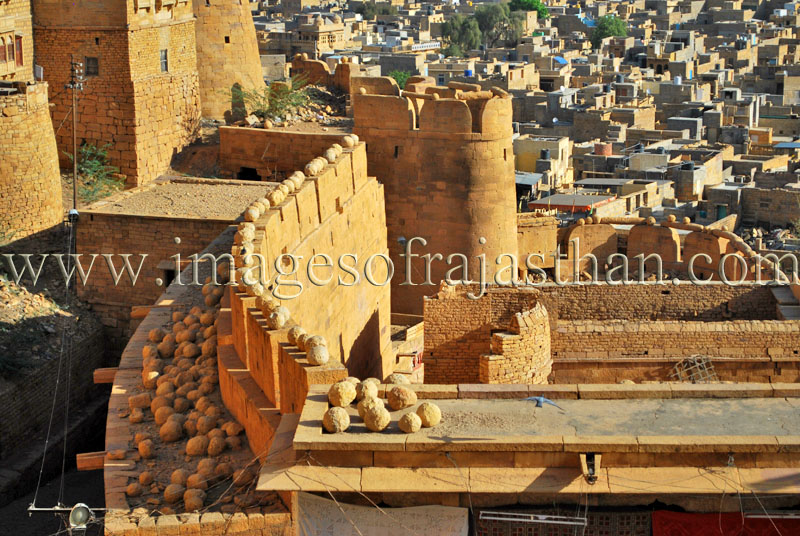
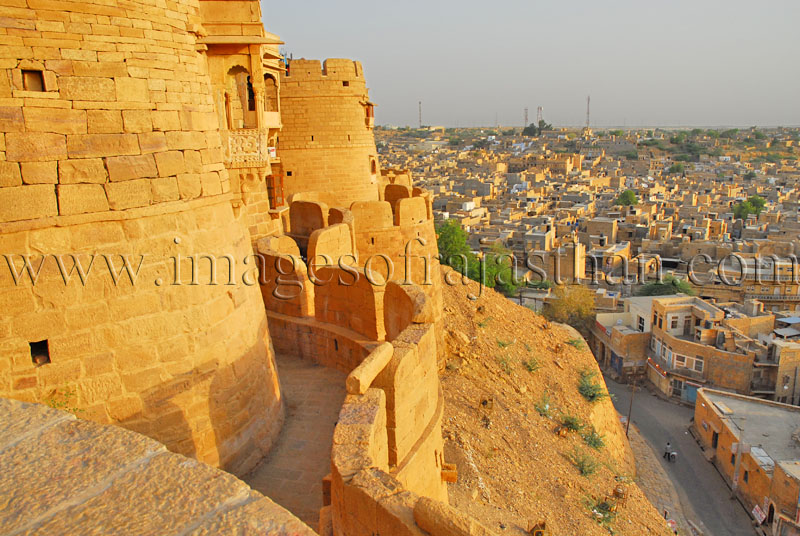
Located in the heart of Jaisalmer city, Jaisalmer Fort is a UNESCO
World Heritage Site and is also known as the "Golden Fort" due to its
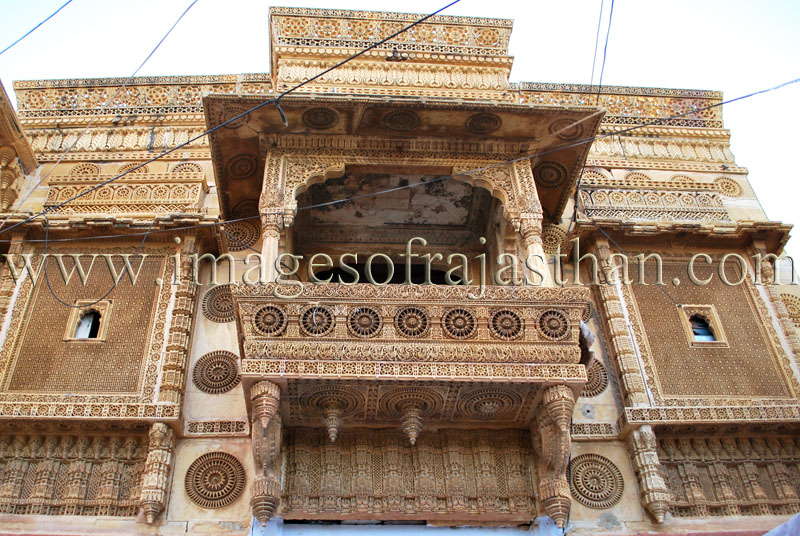
unique golden hue. Built-in the 12th century, the fort is a stunning
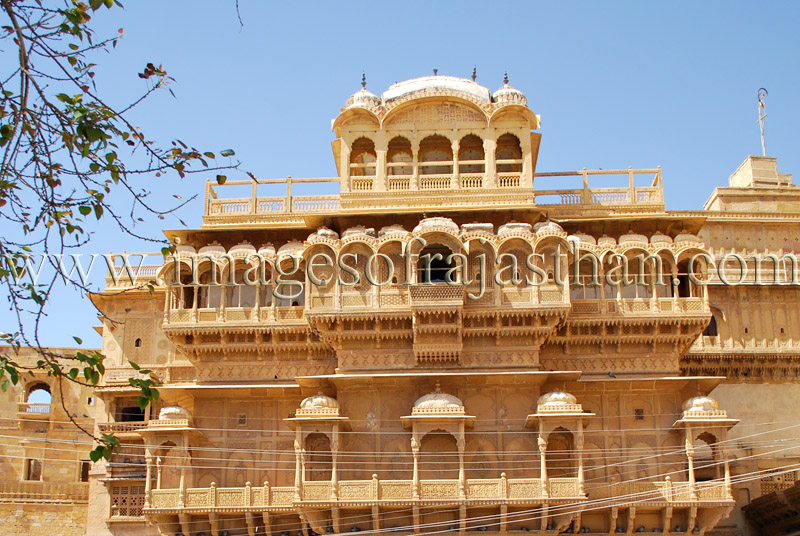
example of Rajasthani architecture, with intricate carvings, beautiful
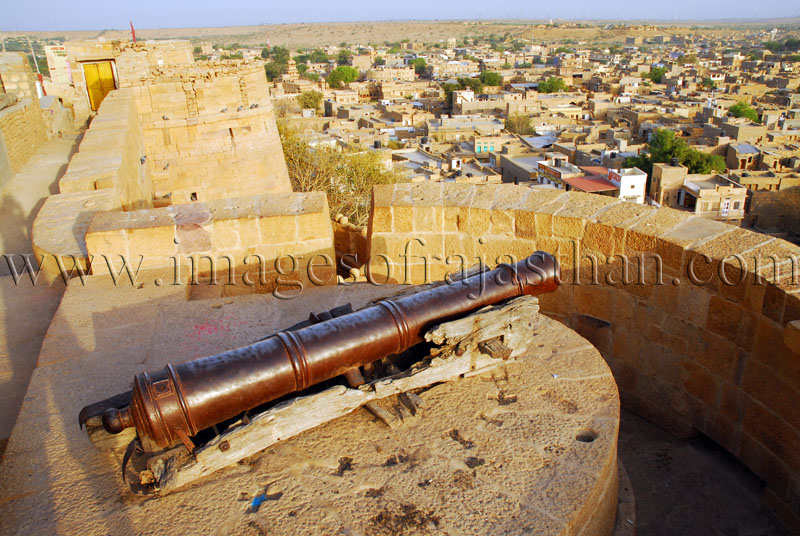
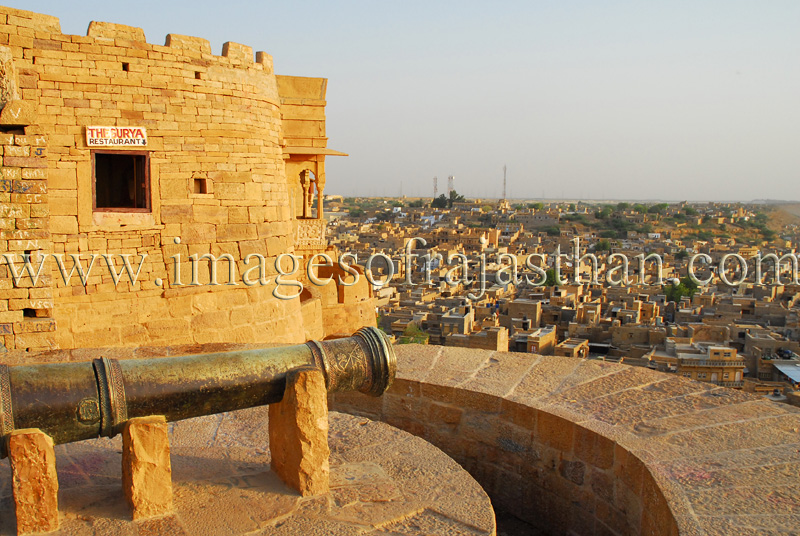
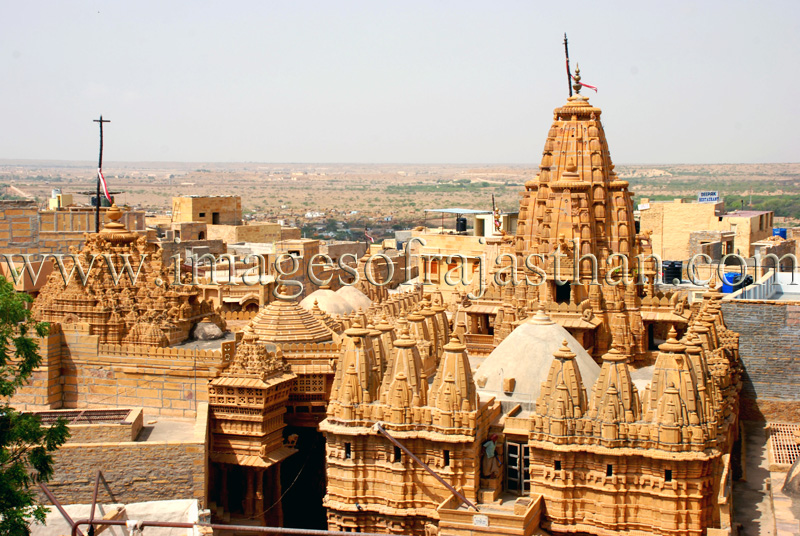
balconies, and stunning views of the surrounding desert landscape.
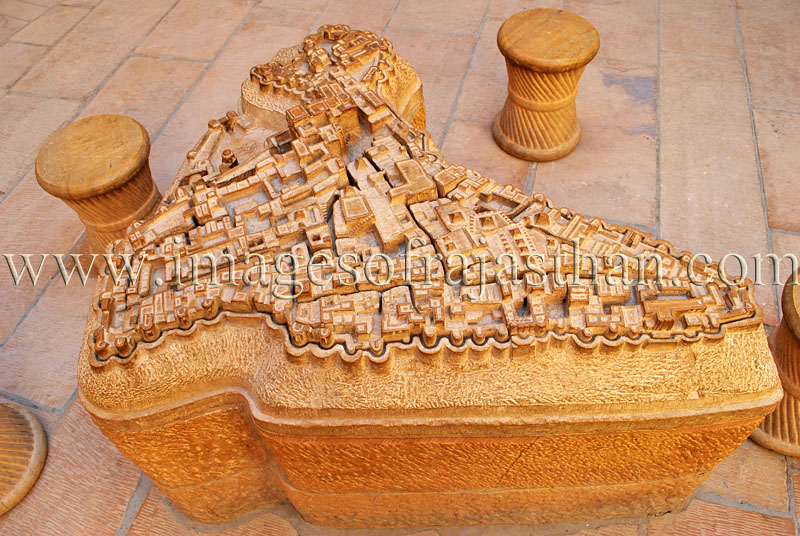
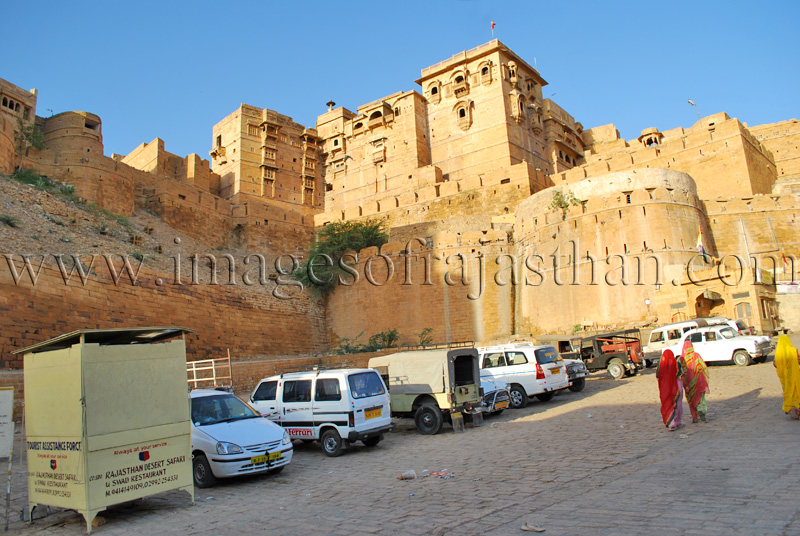
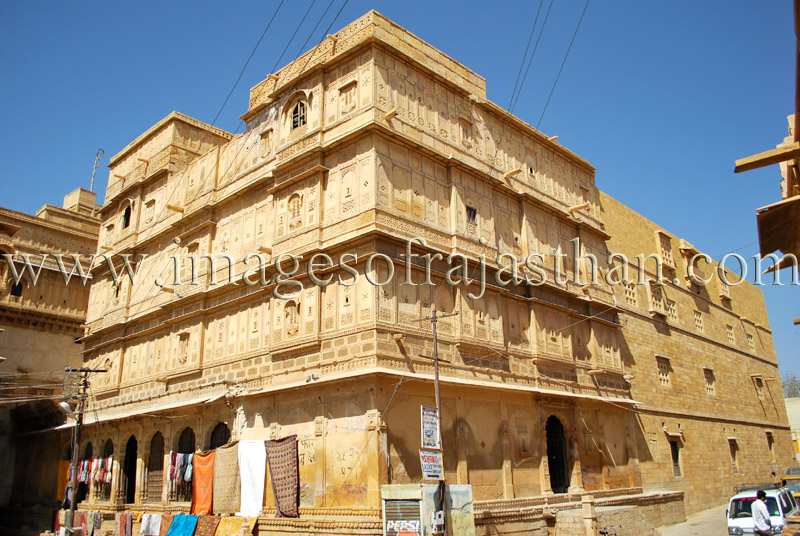
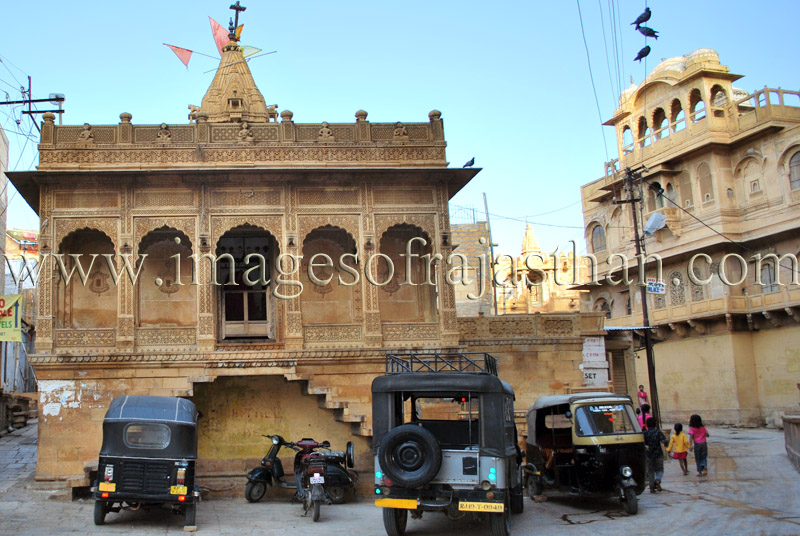
Our collection of images of Jaisalmer Fort captures the beauty and
grandeur of this magnificent monument. From its imposing walls and
gates to its intricate carvings and stunning views, our photographs
showcase every aspect of this incredible fort. Whether you are looking
for a beautiful piece of wall art or simply want to marvel at the
beauty of Jaisalmer Fort, our images are sure to captivate and
inspire. |